
Hot Air Recirculation
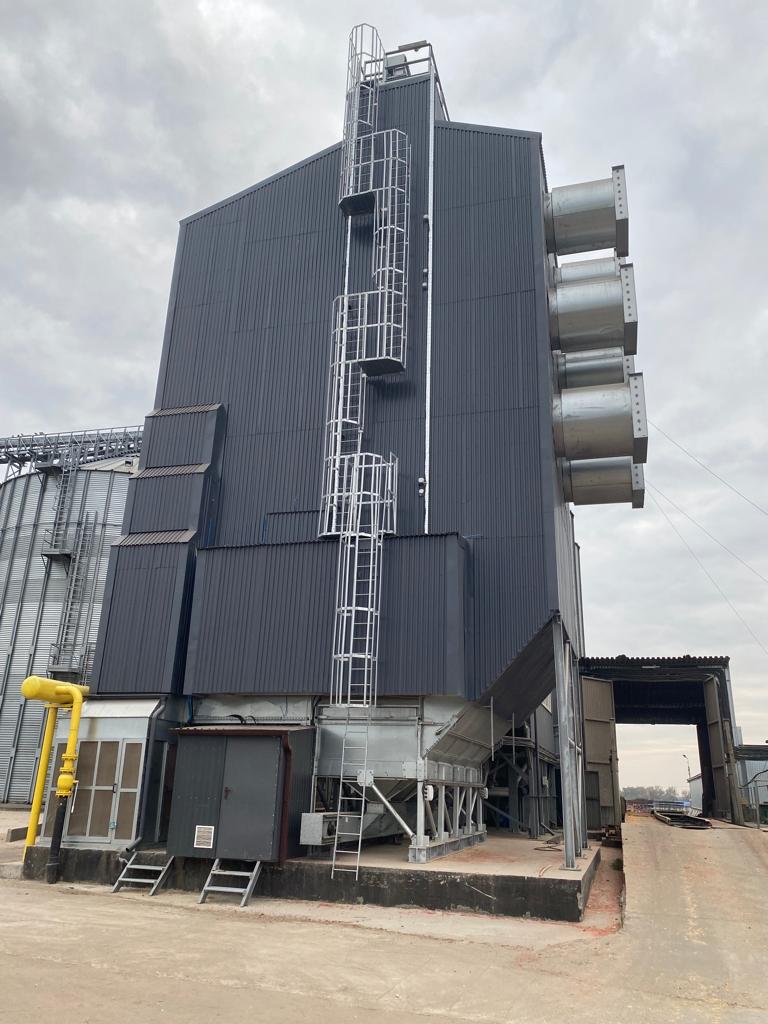
Significantly reduce your grain dryer fuel costs by using Hot Air Recirculation
Save up to 24%* of your grain dryer fuel costs
How Does It Work
The grain dryer fuel savings come from the reduction in the amount of fuel the dryer consumes to heat the air to dry the grain.
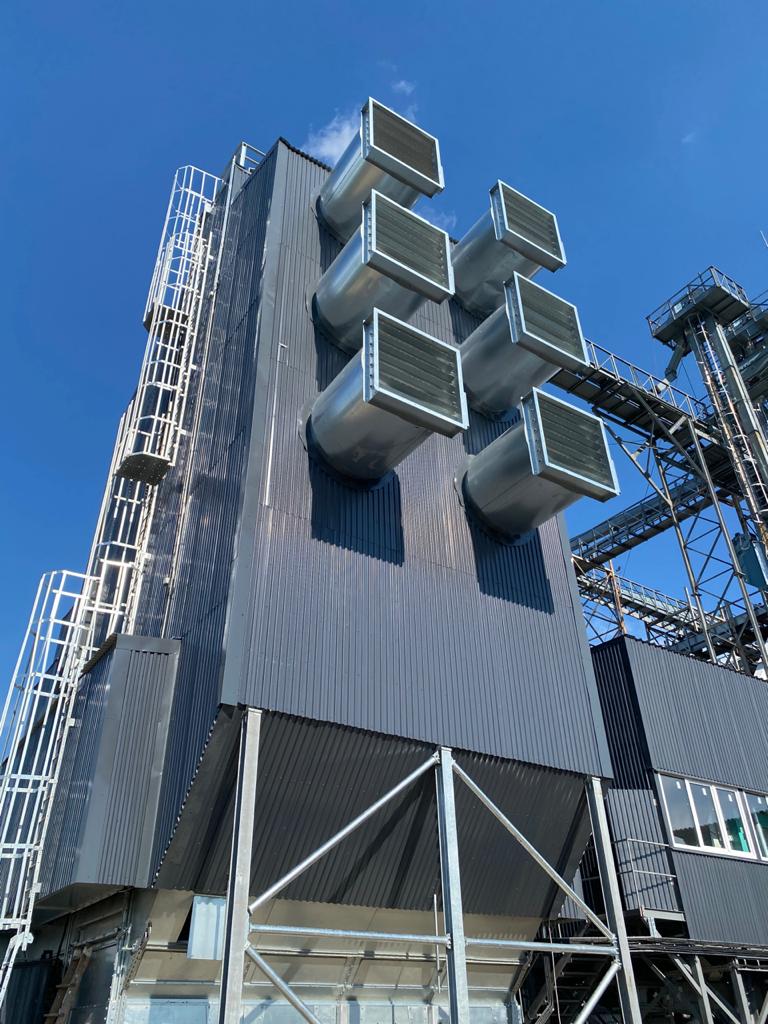
The cooling air, from the lower levels of the grain dryer, which is unsaturated and of the highest temperature, is recirculated to the hot air side of the dryer and remixed with the heated air.
Depending on the drier size, 25% to 30% of the warmest air in the dryer is moved by the recirculation fan along transfer ducts to an additional plenum and mixed with the freshly heated ambient air.
*The actual percentage savings on dryer operating costs by using Hot Air Recirculation can be significant and will vary based on:
- Hot air and ambient air temperature
- Crop type and moisture
- Drier model & fan speed
- Ambient conditions
Some examples of the theoretical level of grain dryer fuel cost savings are:
125°C hot air temperature, 15°C ambient, percentage saving 16% to 18% depending on dryer model selected.
70°C hot air temperature, 15°C ambient, percentage saving 21% to 24% depending on dryer model selected.

Maximise Your Operational Savings
Increase your theoretical operational cost savings up to 35% by combining Hot Air Recirculation with:
Images













How To Drive Down Your Grain Drying Costs
Grain drying is an expensive process. Key components of that cost are the manpower and fuel to run the dryer. Both of those costs can be significantly reduced by installing Grain Sentry. What is Grain Sentry? Grain Sentry is the automatic dryer control system from...
PERRY DURING COVID-19
Managing Director, David Perry, said “It is imperative that our British farmers are able to continue to support this country through these uncertain times, as a company we aim to support them every way we can with the help of our trusted dealer network. From new...
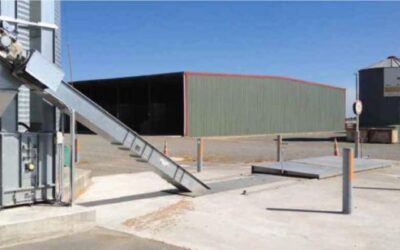
TRENCH AND MECHANICAL INTAKE PITS: SELECTING THE CORRECT INTAKE CONFIGURATION FOR YOUR FACILITY
When considering which type of mechanical intake system to use, the first thing to consider is the type of products to be handled. If the products are all free flowing such as cereals, then a chain and flight conveyor system will...